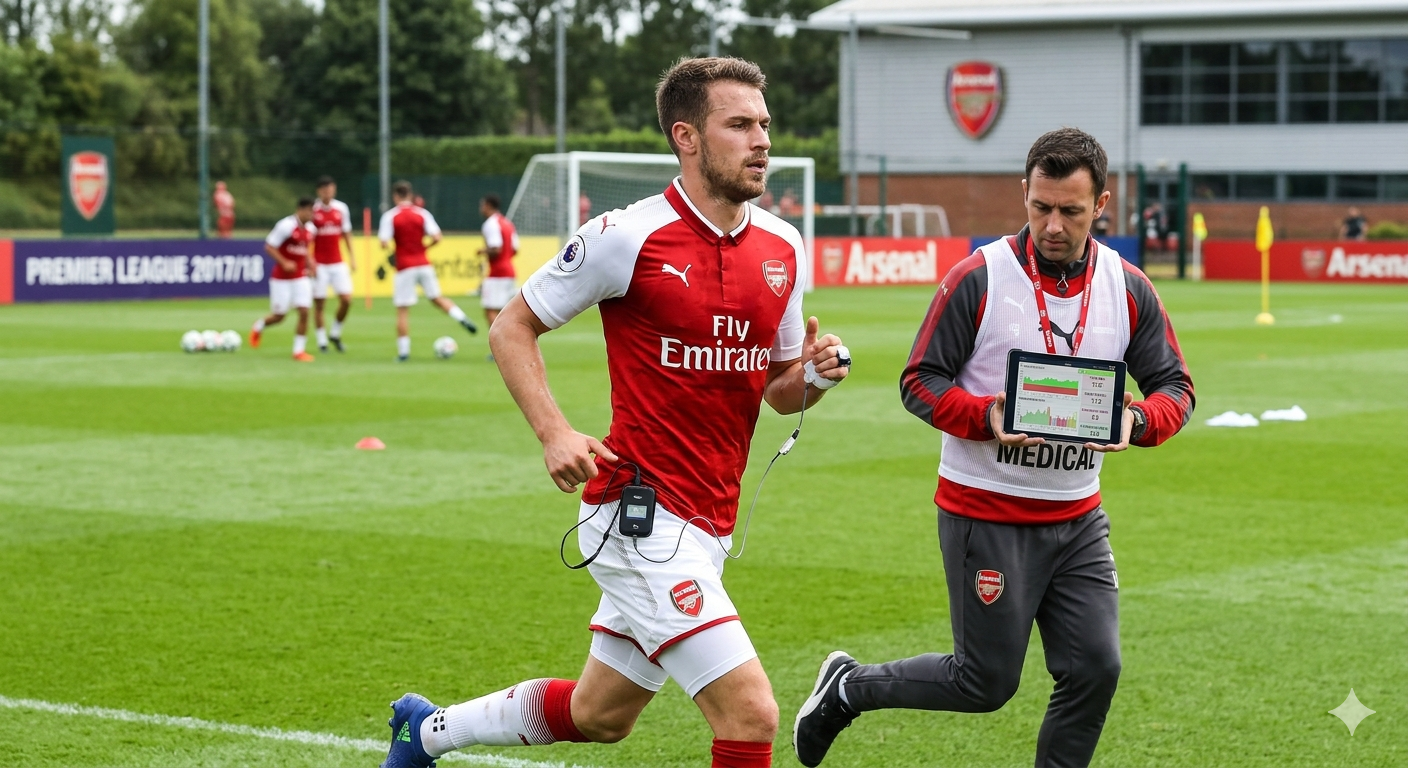
Player fitness is one of the most underestimated variables in football betting. During the 2017/18 Premier League season, many match outcomes were shaped not by tactics alone, but by the physical condition of key players. Understanding how to assess fitness properly allows bettors to anticipate performance shifts before they become visible in results.
Why Fitness Impacts Outcomes More Than It Appears
Fitness affects more than just availability. A player returning from injury or fatigue may still start but perform below their usual level, influencing team structure and efficiency.
This creates hidden risk. Markets often react only to confirmed absences, not reduced performance levels. Bettors who recognize subtle fitness issues gain an advantage by identifying weaknesses before they are reflected in odds.
Key Indicators of Player Fitness
Fitness cannot be measured through a single statistic. It requires combining multiple signals that together reveal a player’s physical condition.
Several indicators consistently provide insight:
- Minutes played across recent matches, showing whether workload is increasing or being managed.
- Substitution patterns, particularly early substitutions that may indicate fatigue or minor injuries.
- Training participation reports, reflecting readiness for full match intensity.
- Match intensity metrics such as pressing frequency or distance covered, indicating physical output.
These elements form a composite picture. When multiple indicators suggest reduced fitness, performance decline becomes more likely.
The Role of Fixture Congestion
The 2017/18 season included periods where teams played multiple matches within short timeframes. This created fatigue that was not always immediately visible.
Players in high-intensity roles, such as midfielders or pressing forwards, were particularly affected. Reduced recovery time led to lower physical output, which in turn impacted both attacking and defensive phases.
How Fitness Affects Tactical Execution
A team’s tactical system depends on players executing specific roles at full intensity. When fitness drops, even slightly, the entire structure can weaken.
Fatigue and System Breakdown
Pressing systems become less effective when players cannot sustain intensity, leading to more space for opponents. Defensive lines may drop deeper, and attacking transitions become slower.
These changes alter match dynamics. A team that typically controls games may become reactive, increasing unpredictability and affecting expected outcomes.
Identifying High-Risk Fitness Situations
Certain scenarios consistently increase the likelihood of fitness-related performance drops.
To recognize these situations, consider the following:
- Players returning from injury without full match rhythm, increasing the chance of underperformance.
- Teams rotating heavily due to congested schedules, reducing cohesion and consistency.
- Key players starting consecutive matches with minimal rest, leading to fatigue accumulation.
- Late fitness tests before matches, indicating uncertainty in readiness.
These conditions create instability. Even strong teams can underperform when key players are not at optimal fitness levels.
Market Response to Fitness Information
Markets tend to react quickly to confirmed injuries but more slowly to subtle fitness concerns. This creates a timing gap where informed bettors can act.
A clear pattern appears when monitoring odds through a digital betting environment such as ufabet เว็บตรง. Price adjustments often occur only after lineup confirmations, meaning earlier signals about player condition may not yet be reflected. This delay creates opportunities for pre-match positioning.
Comparing Fitness Impact Across Player Roles
Not all players influence matches equally when their fitness declines. A structured comparison highlights these differences:
Position | Fitness Impact | Tactical Effect | Betting Relevance
Striker | Moderate | Reduced finishing efficiency | Situational
Midfielder | High | Loss of control and tempo | Significant
Defender | High | Increased errors | Critical
Goalkeeper | Low | Minimal physical decline impact | Limited
This comparison shows that midfielders and defenders often have the greatest influence on overall match dynamics when fitness drops.
Applying Fitness Analysis to Different Betting Markets
Fitness insights can be applied across multiple betting formats, not just match outcomes.
Within a casino online setting that includes diverse betting options, bettors can adjust strategies based on expected physical performance. For example, fatigued teams may concede more late goals, creating opportunities in second-half markets or goal-related bets. This expands the practical use of fitness analysis.
When Fitness Signals Can Be Misleading
Not all indicators accurately reflect true fitness. Some players maintain high performance despite heavy workloads, while others recover quickly from minor injuries.
Misinterpretation often occurs when relying on a single data point. For example, reduced minutes may result from tactical decisions rather than physical issues. Combining multiple indicators reduces the risk of false conclusions.
Turning Fitness Data Into Betting Decisions
Effective use of fitness information requires integrating it with tactical and statistical analysis. Fitness alone does not determine outcomes, but it modifies how teams perform within their systems.
By identifying when physical condition supports or undermines expected performance, bettors can refine predictions and avoid relying solely on historical data.
Summary
The 2017/18 Premier League season demonstrated that player fitness plays a critical role in shaping match outcomes. By analyzing workload, recovery patterns, and tactical impact, bettors can detect performance changes before they are reflected in results or odds. This approach adds a deeper layer of understanding, turning fitness from a hidden variable into a practical decision-making tool.