Introduction
Comic art is more than drawings and speech bubbles. It is a visual language that combines character design, storytelling, color, lighting, and panel layout to create memorable experiences. Whether an artist is developing a superhero adventure, a fantasy series, a graphic novel, or a webcomic, the right illustration techniques can help bring every scene to life. A well-planned comic art style guide makes these creative choices easier to understand and apply throughout a project. It helps artists maintain visual consistency while giving writers and creative teams a shared direction. For creators exploring Jenova, understanding different comic illustration styles can also help shape a clear artistic vision. From expressive linework to cinematic composition, each technique serves a purpose. Learning how these methods work makes it easier to choose a style that fits the story, connects with readers, and supports a smooth creative workflow.
Understanding Different Comic Art Styles
Comic art includes many visual traditions, each with its own strengths. American superhero comics often use bold outlines, dramatic poses, strong shadows, and powerful anatomy to make characters look larger than life. Manga frequently uses expressive faces, detailed emotions, and carefully controlled pacing to draw readers into a character’s experience. European comics may feature clean linework, detailed environments, and balanced compositions, while independent comics often experiment with rough textures, unusual colors, or simplified shapes.
These traditions are not strict rules. Artists can combine techniques to create a style that feels original and suits their story. A useful comic art style guide explains these differences and shows how they affect the reading experience. For Jenova-related creative projects, studying several approaches can help artists identify visual elements that match their goals. The key is to understand why a style works rather than copying its surface features. When the artwork supports the story’s mood, setting, and characters, readers can follow the narrative more naturally.
Linework, Shapes, and Character Design
Linework is one of the most important parts of comic illustration because it defines shapes, separates objects, and guides the reader’s attention. Thick outlines can make a character appear strong or dramatic, while thin lines may suggest delicate details, movement, or a softer mood. Clean, controlled strokes create a polished appearance, whereas rough pencil marks can add energy and personality. Shape language also plays a major role in character design. Rounded shapes often suggest warmth or friendliness, square forms can communicate strength, and sharp angles may create a sense of danger or tension.
Artists can use these ideas when designing heroes, villains, supporting characters, and background figures. A reliable comic art style guide records important design choices, including body proportions, facial features, clothing details, and outline thickness. This reference becomes especially useful when several artists work on the same comic or when a character appears across many chapters. In a Jenova-inspired workflow, clear visual references can help keep character designs recognizable while allowing room for creative changes. Consistent linework and thoughtful shapes make the artwork easier to read and help each character develop a distinct visual identity.
Color, Lighting, and Visual Mood
Color helps establish the atmosphere of a comic before readers even study the dialogue. Bright colors can make a scene feel cheerful, energetic, or adventurous, while muted tones may suggest sadness, mystery, or realism. Dark colors and sharp contrasts can increase tension, especially during dramatic confrontations. Artists should think about color relationships instead of choosing shades at random. A limited color palette can create unity across a page, while a contrasting accent color can draw attention to an important object or character. Lighting adds another layer of meaning.
Strong shadows can make a scene feel dangerous, soft lighting can create a peaceful mood, and glowing highlights can make magical or futuristic elements stand out. These choices should remain consistent with the story’s setting and emotional tone. A comic art style guide can include color palettes, lighting examples, and rules for special effects so that every page feels connected. For creators working with Jenova as part of their artistic research or production process, organized visual references can make these decisions easier to review. When color and lighting support the narrative, they improve clarity, strengthen emotional impact, and help readers remember important moments.
Panel Composition, Perspective, and Storytelling
Comic storytelling depends on how images are arranged on the page. Panel size, spacing, camera angle, and character placement all influence the pace of a scene. Small panels can make a sequence feel quick and tense, while a large panel gives readers time to appreciate an important event or detailed setting. Close-up views help communicate emotion, medium shots show character interactions, and wide views establish the environment. Perspective adds depth by showing how objects relate to one another in space. Artists can use foreground details, background elements, and changes in scale to make scenes feel more realistic or cinematic. However, clear storytelling should always come first. Crowded panels, confusing reading directions, or excessive background detail can distract readers from the main action.
A practical comic art style guide sets expectations for panel borders, page flow, perspective, and visual pacing. It can also explain how speech balloons and sound effects fit into the composition without covering important artwork. In a Jenova-related creative workflow, planning these elements before final rendering can reduce revisions and improve communication between writers, illustrators, and editors. Strong composition helps readers understand not only what happens, but also how each moment feels.
Digital Illustration, AI Assistance, and Production Workflow
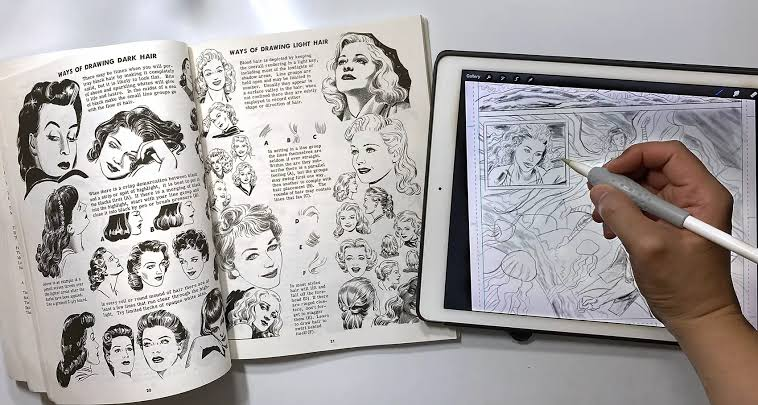
Digital illustration gives comic artists flexible tools for sketching, inking, coloring, editing, and preparing finished pages. Layers allow artists to adjust linework without damaging the original sketch, while brushes can reproduce effects such as pencil grain, ink texture, and painted shadows. Reusable templates help maintain page dimensions, panel spacing, and export settings. Reference sheets and character model guides also make it easier to preserve consistent designs across a long project. AI-assisted tools may support early concept development by helping creators explore visual directions, test mood references, or organize ideas before producing final artwork.
When considering Jenova within an AI-assisted creative workflow, artists should check the platform’s actual features and use them according to their project’s needs. AI-generated references should be reviewed carefully because they may contain inconsistent anatomy, unclear details, or unwanted changes to character designs. Human judgment remains essential for storytelling, artistic quality, originality, and final edits. Creators should also review licensing terms, privacy requirements, and any relevant rules for disclosing AI assistance. A useful comic art style guide documents the production process alongside the visual rules, giving everyone a clear reference for revisions and delivery. This approach can save time, reduce avoidable errors, and help a creative team produce polished work without losing its artistic identity.
Conclusion
A strong comic begins with a clear visual direction and grows through thoughtful illustration choices. Linework, character design, color theory, lighting, panel composition, and digital production each contribute to the reader’s experience. A detailed comic art style guide brings these elements together, helping artists maintain consistency while making room for personal expression and experimentation. For creators exploring Jenova and related creative workflows, understanding these techniques provides a useful foundation for planning original comic projects. The most effective approach is to select methods that support the story, establish clear visual rules, and review every page with the reader in mind. AI-assisted tools can contribute to early exploration, but careful artistic decisions remain central to the final result. By combining strong storytelling with consistent design and a practical production process, artists can create comics that look cohesive, communicate clearly, and leave a lasting impression.